| Scientific Overview |
| |
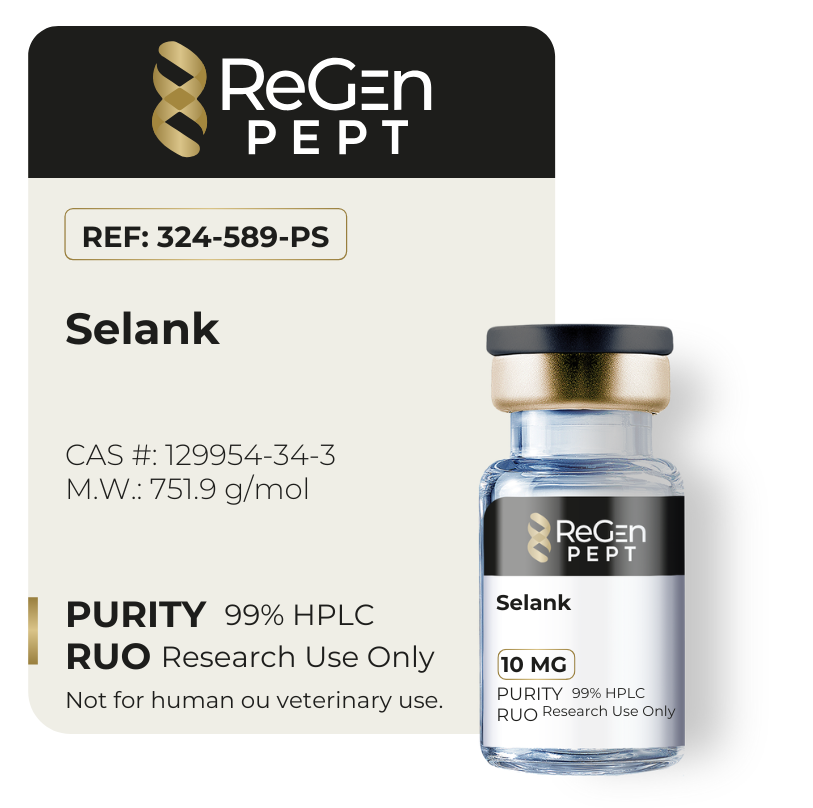
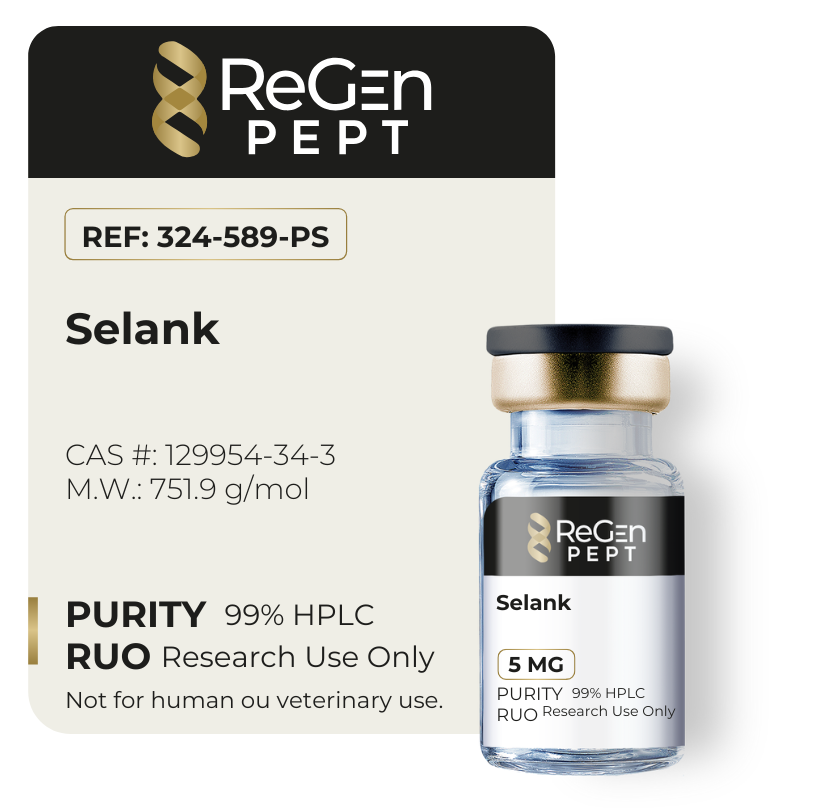
| Selank is a synthetic heptapeptide derived from the endogenous tetrapeptide tuftsin, modified to enhance stability and central nervous system activity. It has been studied primarily for anxiolytic, stress-modulating, and cognitive-support effects without the sedative or dependence risks associated with benzodiazepines. Selank is best framed as a neuroimmune and neuromodulatory peptide rather than a classic anxiolytic drug. |
| Mechanism of Action |
| |
| Selank modulates central neurotransmission and neuroimmune signaling through multiple pathways, including: |
| |
• Modulation of GABAergic tone without direct GABA receptor agonism
• Regulation of monoamine neurotransmitters (serotonin and dopamine balance)
• Anti-inflammatory effects via cytokine modulation
• Support of synaptic plasticity and stress-adaptation pathways |
| |
| Intranasal administration is commonly used to facilitate CNS exposure via nasal–brain pathways. |
| Biological and Clinical Effects |
| |
| Preclinical studies demonstrate anxiolytic and cognitive-support effects without sedation, motor impairment, or dependence. Clinical observations (largely from Eastern European literature) report reductions in anxiety symptoms, improved emotional stability, and potential benefits for attention and memory under stress. |
| Time of Use / Treatment Duration |
| |
| Common protocols describe Selank use in cycles of 10–14 days up to 4–6 weeks. For chronic stress or anxiety-support contexts, 3–4 week cycles followed by reassessment and a break are frequently described. |
| Safety, Tolerability, and Precautions |
| |
| Selank is generally reported as well tolerated, with minimal adverse effects. Occasional reports include mild nasal irritation, headache, or transient emotional changes during early use. Precautionary exclusions include pregnancy and lactation (limited safety data) and caution in patients with severe psychiatric disorders until further evidence is available. |
|
Detailed References
| Ashmarin IP, et al. (1998). Selank: a new peptide anxiolytic with nootropic properties. Neuroscience and Behavioral Physiology, 28(5), 561–568. |
| |
| Seredenin SB, et al. (2003). Anxiolytic and immunomodulatory effects of Selank. Bulletin of Experimental Biology and Medicine, 136(4), 401–404. |
| |
| Khavinson VKh, et al. (2012). Peptide regulation of emotional and cognitive functions: implications for Selank. Neurochemical Journal, 6(4), 287–295. |
| |
| Fedotova JO, et al. (2016). Intranasal Selank and modulation of anxiety-related behavior. Neuroscience Letters, 618, 117–121. |
| |
| LaValle J. The Complete Guide to Peptides / Peptide Therapy. Clinical perspectives on anxiolytic and nootropic peptides. |
| |
|
|
|
Posology (Clinical Practice–Oriented)
In clinical practice literature, Selank is most commonly administered intranasally. Typical discussed ranges include:
• 300–900 mcg per day intranasally, divided into 2–3 administrations
Use should be individualized based on anxiety severity, stress load, and patient response.
|
|
Clinical Practice Framing
In integrative and functional medicine, Selank is positioned as a non-sedating anxiolytic peptide that supports stress resilience, emotional regulation, and cognitive performance. Selank is best integrated with lifestyle interventions addressing sleep, nutrition, autonomic balance, and psychosocial stressors, with symptom-based outcome tracking.
|
|


Reviews
There are no reviews yet.